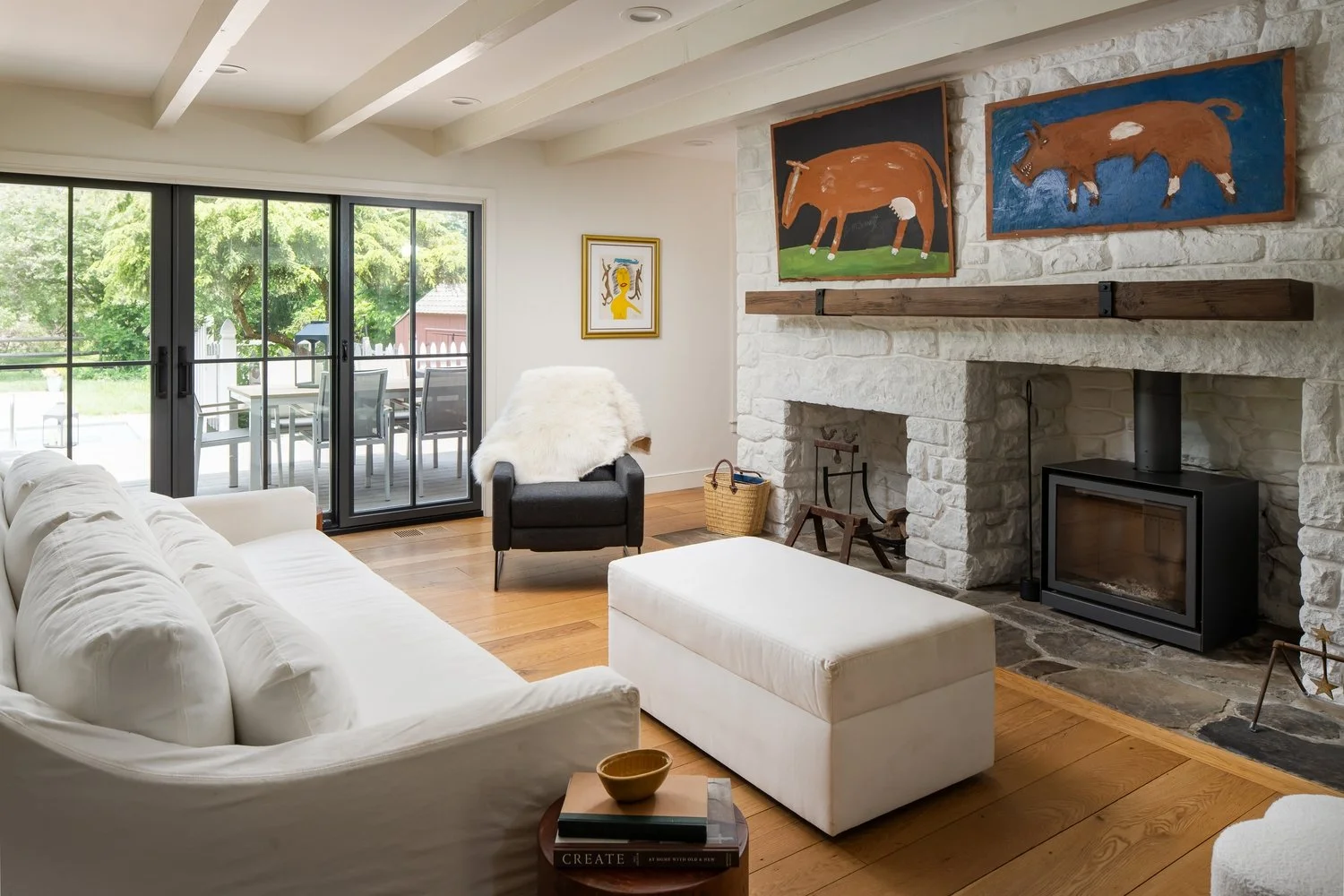
Finishes age gracefully when they can handle daily life, develop character over time, and still feel connected to the architecture of the home. The best renovation materials are not simply neutral or expensive. They are durable, repairable, tactile, and chosen with enough restraint to outlast a trend cycle.
Start with the finishes that are hardest to replace.
Floors, stone, tile, cabinetry, plumbing fixtures, and built-in lighting deserve the most careful attention because they are expensive and disruptive to change. These are the places to favor lasting materials, quiet profiles, and colors that work with the house rather than against it.
That does not mean every selection has to be plain. A beautiful marble, handmade tile, warm wood floor, or unlacquered brass fitting can have plenty of personality. The key is choosing materials with inherent depth, not finishes that rely on novelty to feel interesting.
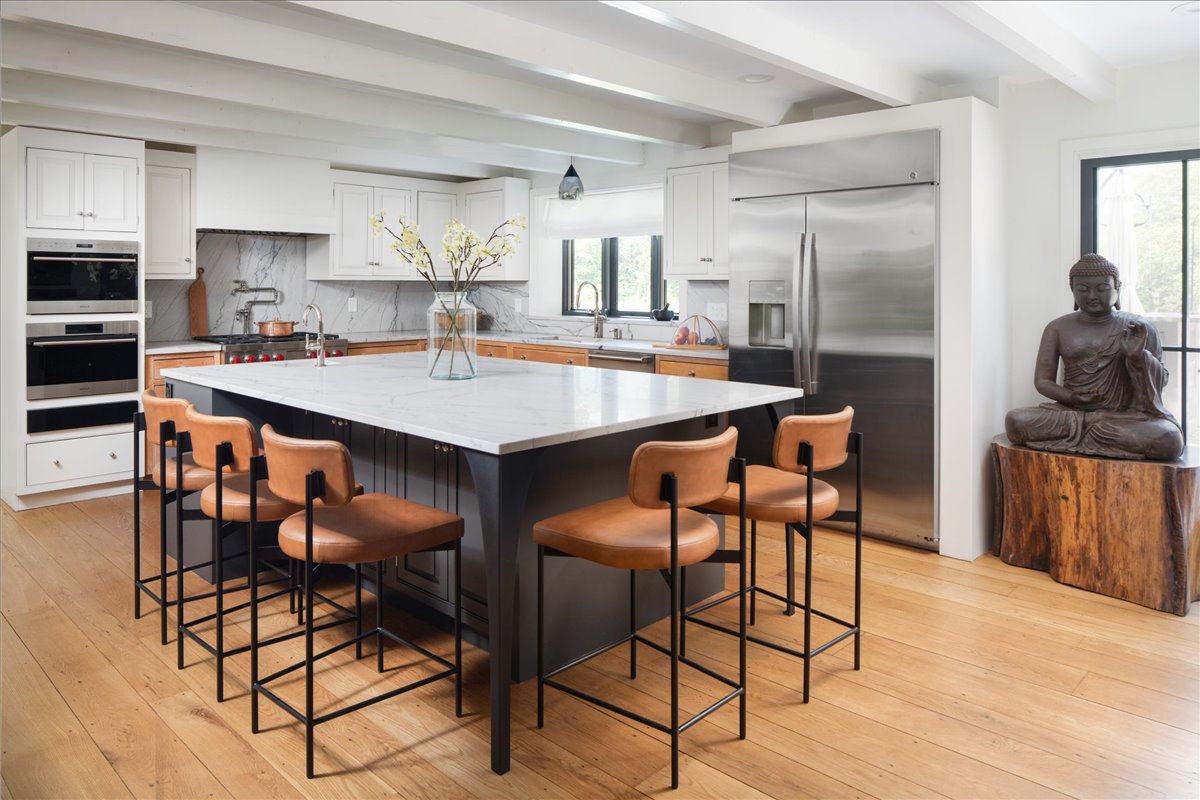
Favor natural materials that show wear honestly.
Wood, stone, plaster, linen, wool, leather, and living metals tend to age better than materials designed to look perfect forever. They can soften, patina, darken, or gain small marks without looking immediately damaged.
This is especially important in family homes, historic houses, and hardworking kitchens or baths. A finish that can absorb life gracefully will often look better in ten years than a pristine surface that shows every scratch as a failure.
Use color with restraint, not fear.
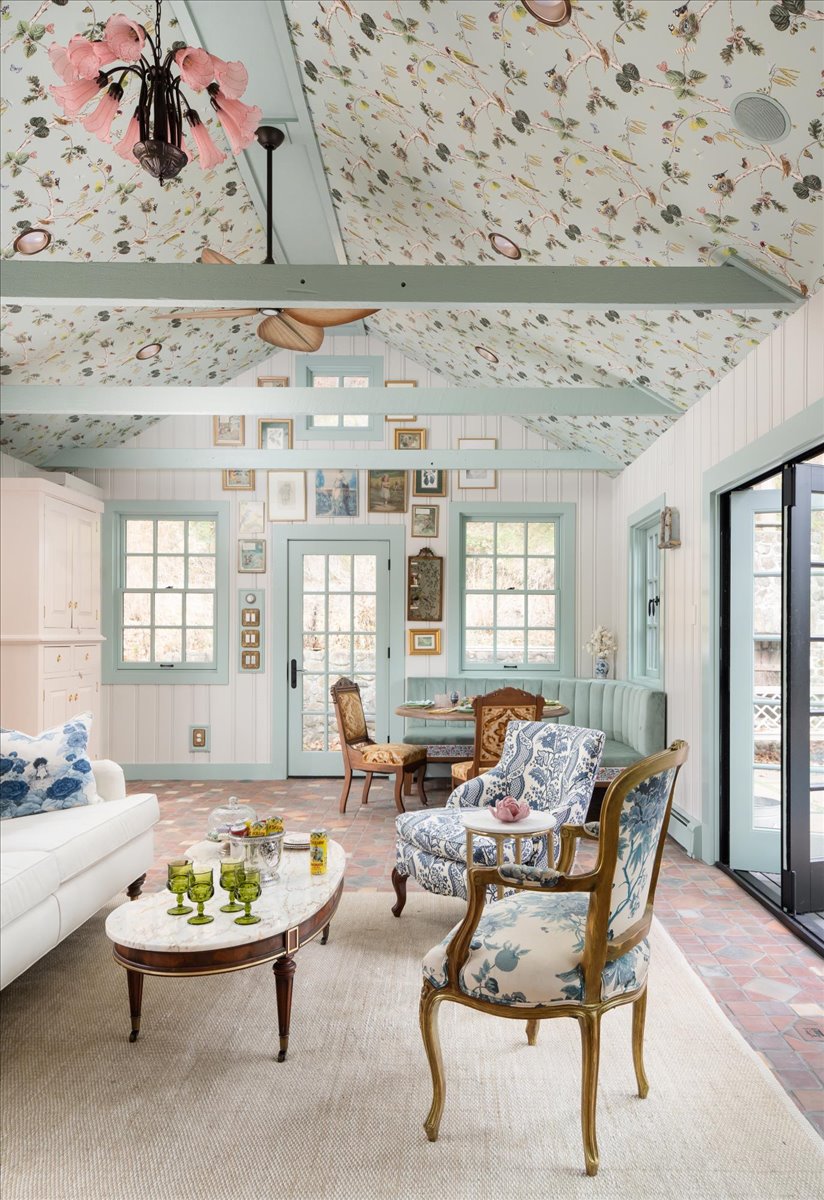
Timeless interiors are not limited to white, gray, or beige. Muted blues, deep reds, mossy greens, warm browns, charcoal, cream, and ochre can all age beautifully when they relate to the architecture, light, and surrounding materials.
Paint is also one of the safest places to be expressive because it is easier to revise than flooring or stone. If a client wants a stronger color story, we often use paint, upholstery, window treatments, or art to carry that energy while keeping the most permanent materials more grounded.
Choose classic profiles over overly recognizable trends.
The shape of a finish often dates faster than the material itself. Cabinet doors, edge profiles, faucets, tile layouts, stair rails, and lighting silhouettes should be selected with the home in mind. Simple forms usually give materials more longevity.
A finish that looks good because of proportion, craft, and material quality will age better than one that is memorable only because it resembles a current showroom trend.
Let hardware and lighting add quiet character.
Hardware and lighting are small compared with flooring or cabinetry, but they shape how finished a room feels. Brass, bronze, nickel, iron, ceramic, glass, and shaded lamps can all add warmth when the scale and finish are right.
These details should not feel like accessories chosen at the very end. They are part of the architecture of use: the handle touched every morning, the sconce seen from the hall, the pendant that changes how a stone counter reads at night.
Save trend-driven choices for flexible layers.
A home can still feel current without making every permanent surface trend-forward. Pillows, lamps, occasional tables, art, small rugs, styling pieces, and even wall color can carry more seasonal energy because they are simpler to revise over time.
This approach keeps the renovation investment protected. The bones of the home stay enduring, while the softer layers can evolve as the family, collection, and taste evolve.
Common Questions
What interior finishes age the best?
Natural wood, stone, handmade tile, plaster, wool, linen, leather, and living metal finishes often age best because they gain character over time. They are also easier to integrate into traditional, transitional, and collected interiors.
How do you choose timeless finishes for a renovation?
Start with the most permanent surfaces: flooring, tile, stone, cabinetry, plumbing, and architectural lighting. Choose durable materials, restrained profiles, and colors that relate to the house, then add more expressive choices in flexible layers.
Should all finishes match throughout a home?
Finishes do not need to match exactly, but they should feel related. Repeating a wood tone, metal family, stone color, or paint undertone can create continuity while still allowing each room to have its own character.